
Terraria
505 Games SrlAdventure
4.564.95K Reviews
- Version
- 1.4.5.6.4
- Installs
- 5.00M
- Age Rating
- Teen
Screenshots
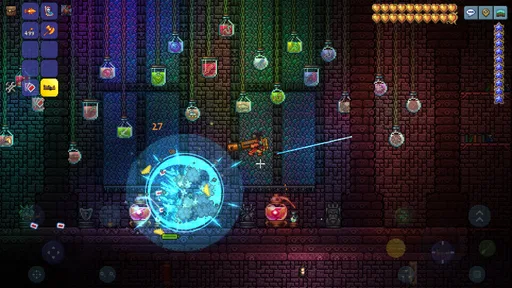
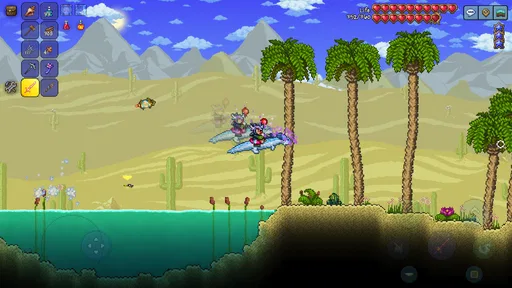
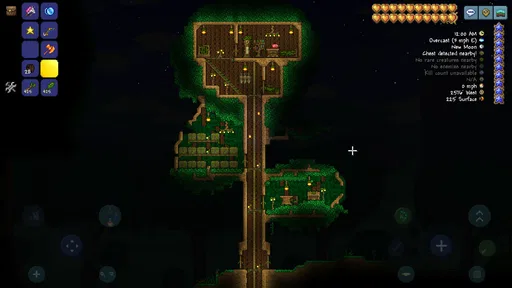
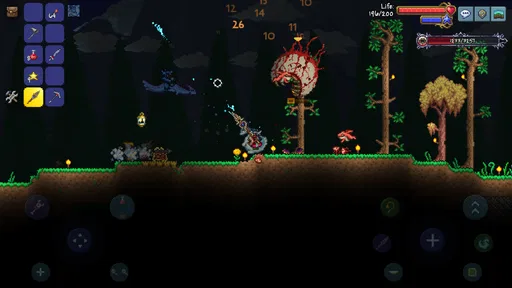
Our Review of Terraria
 Analysis by Appyee
I judge Terraria less by how many things it lets me do than by how naturally one activity leads to another. I might set out to explore a cave, notice a useful resource, start digging, then return home with a plan to improve my equipment or make the next trip safer. That loop is the game’s strongest capability: exploration keeps producing practical reasons to craft, build, and venture out again. It makes this adventure game easy to pick up for a short session, yet difficult to exhaust when I have time to follow a chain of discoveries.
How exploration becomes a lasting loop
A new world can feel open-ended at first, and that freedom is exciting, but it can also leave a newcomer wondering what to do next. I find it helps to give each outing a small purpose: look for materials, check an unexplored stretch, or gather enough supplies to make a return trip worthwhile. Those modest goals keep the world from feeling like a blank map. A chance discovery may change the plan, but the choice to follow it or head home remains yours.
The game’s procedural world generation means a fresh playthrough can arrange the landscape differently. That adds replay value, though it also means familiarity with one world does not make every next step predictable. The pleasure is not simply finding a new place; it is learning how that place fits into the route you are making through the world. I like that exploration has a tangible payoff, rather than being scenery between more important tasks.
Exploration that gives crafting a purpose
First off, let me just say that the exploration aspect of Terraria is absolutely exhilarating. Imagine this: you start off with just a few basic tools, a vast landscape awaiting your discovery, and the promise of hidden treasures scattered about. The game generates a procedurally created world, so each playthrough feels fresh and unique.
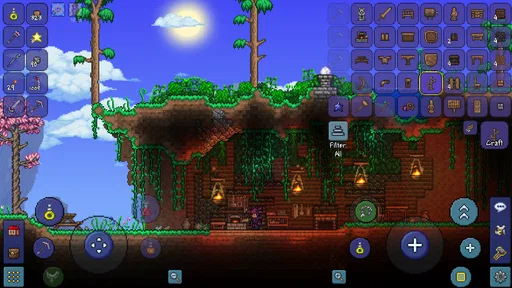
As you dig deeper, literally, you’ll uncover various biomes, each with its own set of challenges and rewards. Whether you’re spelunking in dark caverns or traversing lush jungles, there’s a constant sense of wonder and excitement. And let’s not forget the thrill of stumbling upon rare ores or hidden chests packed with loot!
One useful habit is to treat a cave trip as a resource run, not an obligation to push as far as possible. I prefer to return when I have gathered something worth using rather than risk turning every expedition into a long, directionless search. That rhythm also makes discoveries easier to appreciate: a new material can suggest a next crafting goal, while a difficult route can become a reason to improve my shelter or supplies before trying again. The game rewards curiosity, but I enjoy it most when curiosity has a loose plan behind it.
There is a trade-off here. A world full of places to investigate can be absorbing, but players who want a tightly directed story with a clear sequence of missions may find the freedom less satisfying. I would not choose it for a quick, guided campaign where the game constantly points to the next objective. I would choose it when I want to make my own priorities and accept that some sessions will be about preparation rather than dramatic progress.
Turning discoveries into a home base
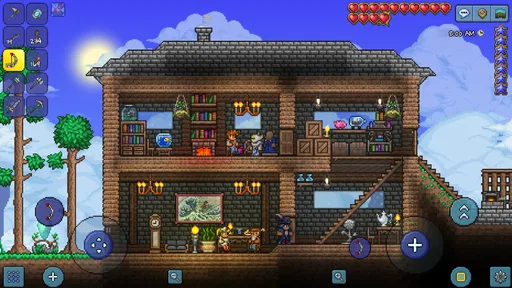
If you’re into crafting, you’re in for a treat. Terraria offers a robust crafting system that lets you create anything from simple tools to intricate machinery. You can build towering fortresses, cozy homes, or even elaborate trap systems to fend off the creatures of the night. The only limit is your imagination.
What’s really cool is the way the game encourages experimentation. You might start off crafting basic items, but as you gather resources and unlock recipes, you’ll find yourself constructing more advanced gear and gadgets. This progression keeps you hooked as you strive to upgrade your equipment and fortify your base.
For a practical routine, I like to separate what I carry from what I leave at home. Before exploring, I check that I have room for useful finds and think about what I am hoping to collect; after returning, I turn the haul into a specific upgrade instead of letting it become a pile of unused materials. That small bit of organization makes repeated trips feel purposeful. Building is not only decoration: a well-considered base gives me a place to regroup and makes preparation part of the adventure.
It is also a game where a tiny building project can take over an evening. That is a strength if I enjoy shaping a space, but a limitation if I only want to rush from fight to fight. I would not treat every construction idea as necessary progress. A modest, functional base is enough to support exploration, and elaborate builds are best saved for when the creative side is what I actually want from a session.
When a trip turns into a fight
Now, let’s talk about the combat, because what’s an adventure without a bit of danger, right? From pesky slimes to fearsome bosses, Terraria challenges you to hone your skills and strategize your battles. The combat system is straightforward but satisfying, allowing you to wield a variety of weapons and magic to take down your foes.
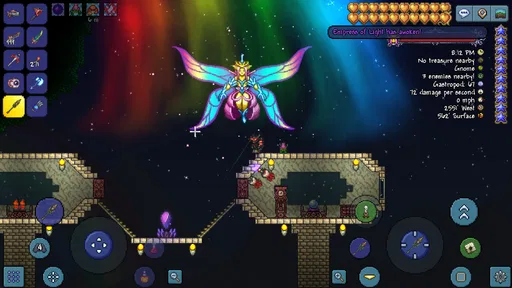
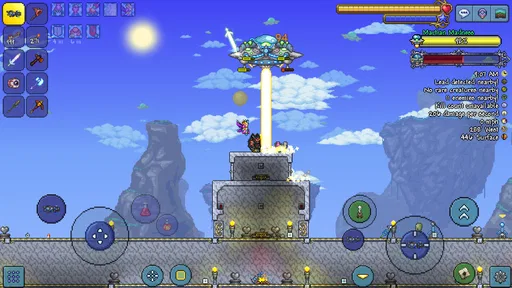
Boss fights are a real highlight, offering intense and rewarding encounters. Each boss has its own unique mechanics, so you’ll need to adapt your strategy to emerge victorious. Defeating these formidable foes often yields valuable rewards, pushing you further into the depths of the game.
I find it sensible to think of a major fight as a preparation problem as much as a reflex test. If an encounter has gone badly, I can use the result to decide what to change before trying again: improve my equipment, make the approach more deliberate, or spend time collecting what I need. This is more satisfying than repeatedly charging in without a plan. It also means the game’s combat fits the larger loop rather than replacing it; exploration and crafting can make a later attempt feel meaningfully different.
That structure may not suit someone who dislikes setbacks or wants every fight to be a quick, uncomplicated win. Progress can involve learning through attempts, and the freedom to prepare does not mean every challenge disappears immediately. I enjoy that friction because it gives victories weight, but a player seeking a relaxed building toy with no pressure from enemies may prefer a gentler alternative in the sandbox category.
Playing together without losing the sandbox feel
Got a few friends who love adventure as much as you do? Terraria shines in multiplayer mode, allowing you to team up and tackle challenges together. Whether you’re building epic structures or taking on bosses as a squad, the cooperative aspect adds a whole new layer of fun.
Coordinating with friends to explore and conquer the world is a blast, and the game’s community is vibrant and welcoming. Plus, playing with others can lead to some hilarious and unexpected moments, making the journey all the more memorable.
In a shared session, I would agree on a simple division of effort before setting off: one person can focus on gathering, another can keep an eye on the route, and everyone can regroup to decide what to make with the haul. That is not a strict role system; it is just a way to stop a group from scattering and losing the thread of a trip. Friends who enjoy making their own plans will likely get more from co-op than a group that expects the game to assign a task to each person.
Playing solo remains a sensible choice if schedules do not line up or I want to explore at my own pace. The central appeal is still the cycle of discovery and making things, so I do not see friends as a requirement. Multiplayer is most valuable when the group enjoys sharing decisions and surprises, rather than when someone expects other players to turn the game into a fully directed experience.
Who will enjoy this kind of adventure
As an adventure game from 505 Games Srl, it has had a long life on mobile: it was released on September 25, 2013, and the current version is 1.4.5.4.2. It costs $4.99, carries a Teen age rating, and requires Android 6.0 or later. I see that one-time purchase as easiest to justify for someone who likes games they can return to and shape at their own pace, rather than a short, linear experience they expect to finish quickly.
Its average rating is 4.6 from around 403,000 ratings, with about 65,000 written reviews and over 5 million installs. Those figures suggest a substantial audience, but I would still decide based on the kind of play I want. The strongest fit is a player who enjoys uncovering places, collecting materials, making useful things, and setting personal goals. If I want a tightly scripted adventure, a short session with no planning, or a game focused only on combat, I would look elsewhere.
On a normal evening, I might have only a little time and still get something out of a focused trip: gather resources near a known route, return to improve a tool or shelter, and leave the next deeper expedition for another day. On a free weekend, I can let one discovery lead to another for much longer. That flexibility is a better reason to choose it than the promise of constant spectacle. The game can be rewarding in small pieces, but it asks me to supply some of the direction myself.
Compared with more guided adventure games, this one gives me more control over what counts as progress and less of a ready-made path. Compared with a purely peaceful building sandbox, it adds danger and exploration that make preparation matter. That balance is distinctive, but it is also the key buying decision: if I want a world to organize and explore on my terms, it is appealing; if I want the game to keep every session calm or tell me exactly what to do, another kind of adventure will be a better match.
Endless Adventure Awaits
So, why should you give Terraria a shot? Well, if you’re a fan of sandbox games that offer a mix of exploration, crafting, and combat, there’s no reason not to dive in. The game’s charm lies in its ability to constantly surprise you, whether through its diverse environments or the wealth of content it offers.
And if you’re new to the genre, don’t worry! Terraria is incredibly accessible, with a gentle learning curve that gradually ramps up as you get the hang of things. It’s the kind of game you can get lost in for hours, emerging only when you realize the sun’s gone down outside.
Ultimately, Terraria is more than just a game; it’s an adventure waiting to be crafted by your hands. So grab your pickaxe, gather your friends, and embark on a journey that promises endless possibilities and unforgettable moments. Happy exploring!
Verdict
Strengths of Terraria
- Rich and immersive gameplay experience.
- Frequent updates with new content.
- Multiplayer mode enhances fun.
- Vast world with endless exploration.
- Diverse crafting and building options.
Limitations of Terraria
- Steep learning curve for newcomers.
- Touch controls can be challenging.
- Graphics may feel outdated for some.
- In-app purchases can add up.
- Requires significant device storage.
Other Releases by 505 Games Srl
View All
Human Fall Flat
Puzzle3.8
Similar Picks in This Category
View All
Roblox
Roblox Corporation4.2

Pokémon GO
Niantic, Inc.3.5

Ninja warrior: legend of adven
TOH Games4.6

Ninja Arashi
Black Panther4.6

Eyes - The Horror Game
Fearless Games sp. j.4.5

Critical Action:Gun Strike Ops
FPS Shooter & Action Game4.3
Frequently Asked Questions
What platforms is Terraria available on?
Terraria is a versatile game available on multiple platforms, including Android and iOS for mobile users, as well as PC, Xbox, PlayStation, and Nintendo Switch for console enthusiasts. This wide availability allows players to enjoy the game across different devices, ensuring a broad reach and accessibility for its fanbase.
Is Terraria a multiplayer game?
Yes, Terraria offers both single-player and multiplayer modes. You can play with friends by joining or hosting multiplayer sessions, allowing for collaborative world-building and exploration. This feature enhances the gaming experience as players can share resources, tackle bosses together, and create a more dynamic and interactive environment.
What is the main objective of Terraria?
In Terraria, the primary objective is to explore, build, and survive in a procedurally generated world. Players can mine resources, craft items, and battle various creatures and bosses. The game encourages creativity and strategy as players can construct elaborate structures and develop unique playstyles while uncovering the world’s secrets.
Does Terraria require an internet connection to play?
Terraria does not require an internet connection for single-player gameplay, making it an excellent choice for offline entertainment. However, if you wish to engage in multiplayer sessions or access certain online features, an internet connection will be necessary to connect with other players and enjoy the full scope of the game.
How does Terraria differ from other sandbox games?
Terraria stands out from other sandbox games with its 2D pixel art style and emphasis on exploration, crafting, and combat. Unlike other games that may focus solely on building, Terraria combines these elements with a rich assortment of enemies, bosses, and biomes, offering a unique blend of adventure and creativity.
Play our best games!


